Memento Mori
Remember your mortality.
Personal requiem and inevitable celebration for the honor of Life
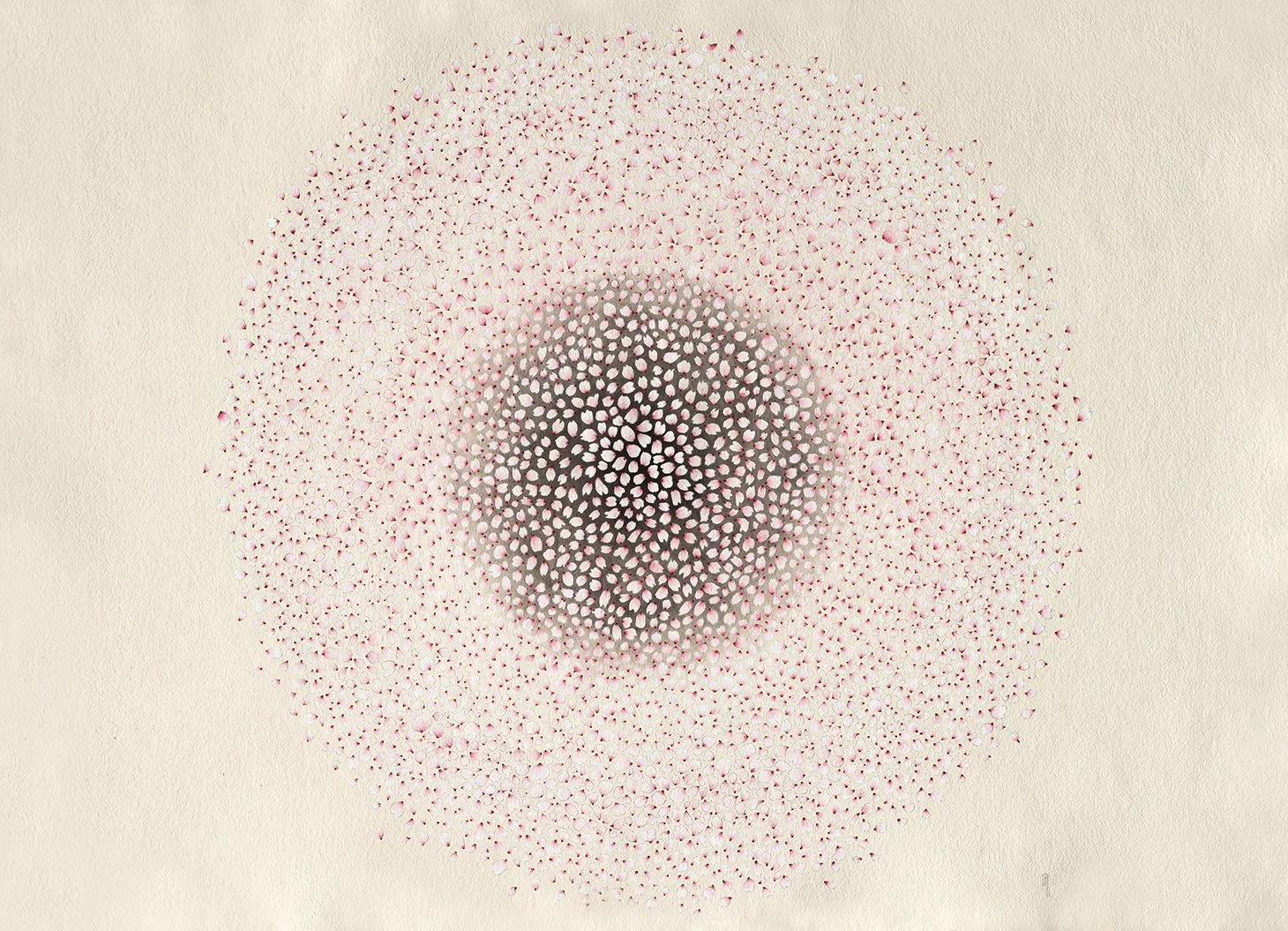
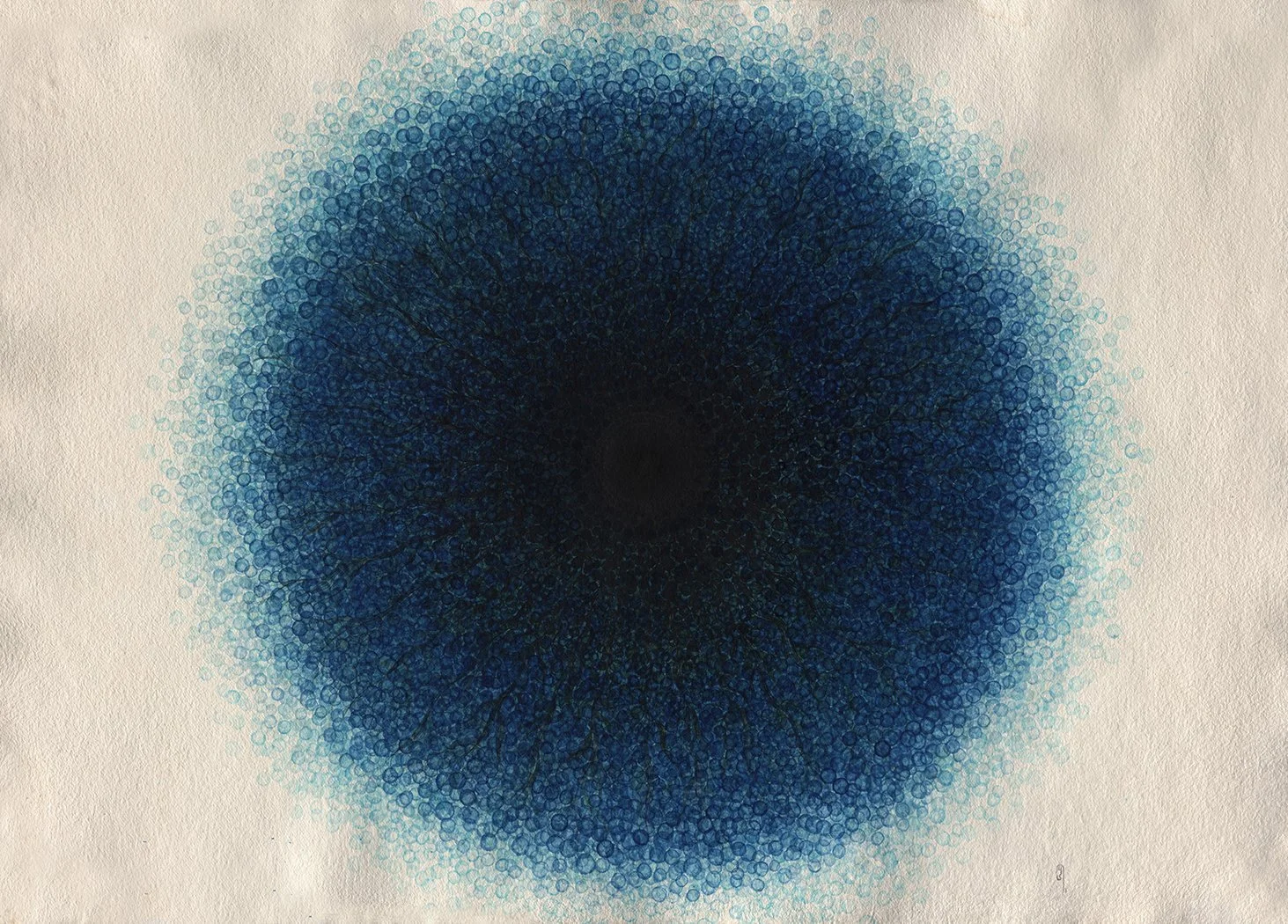
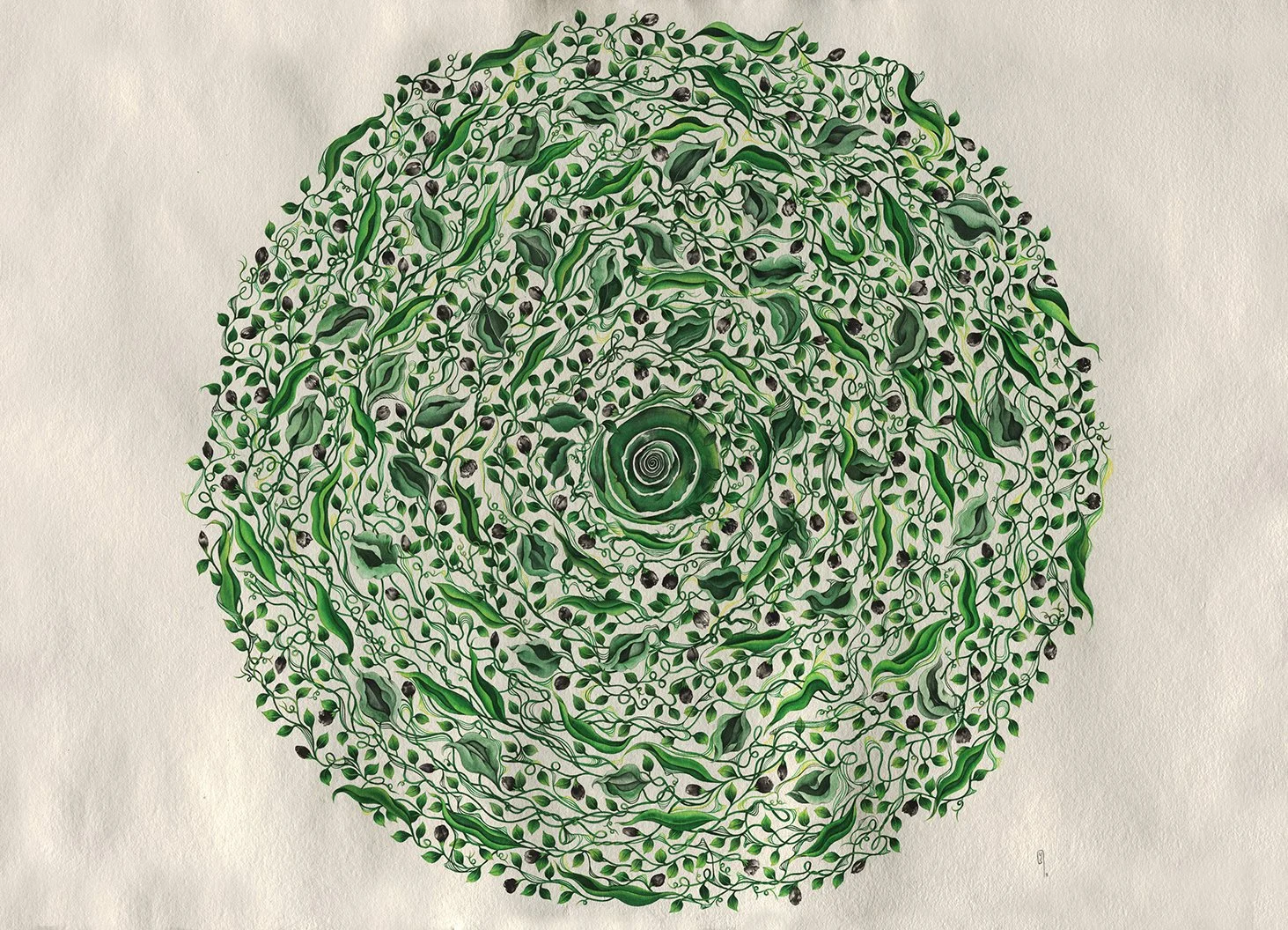
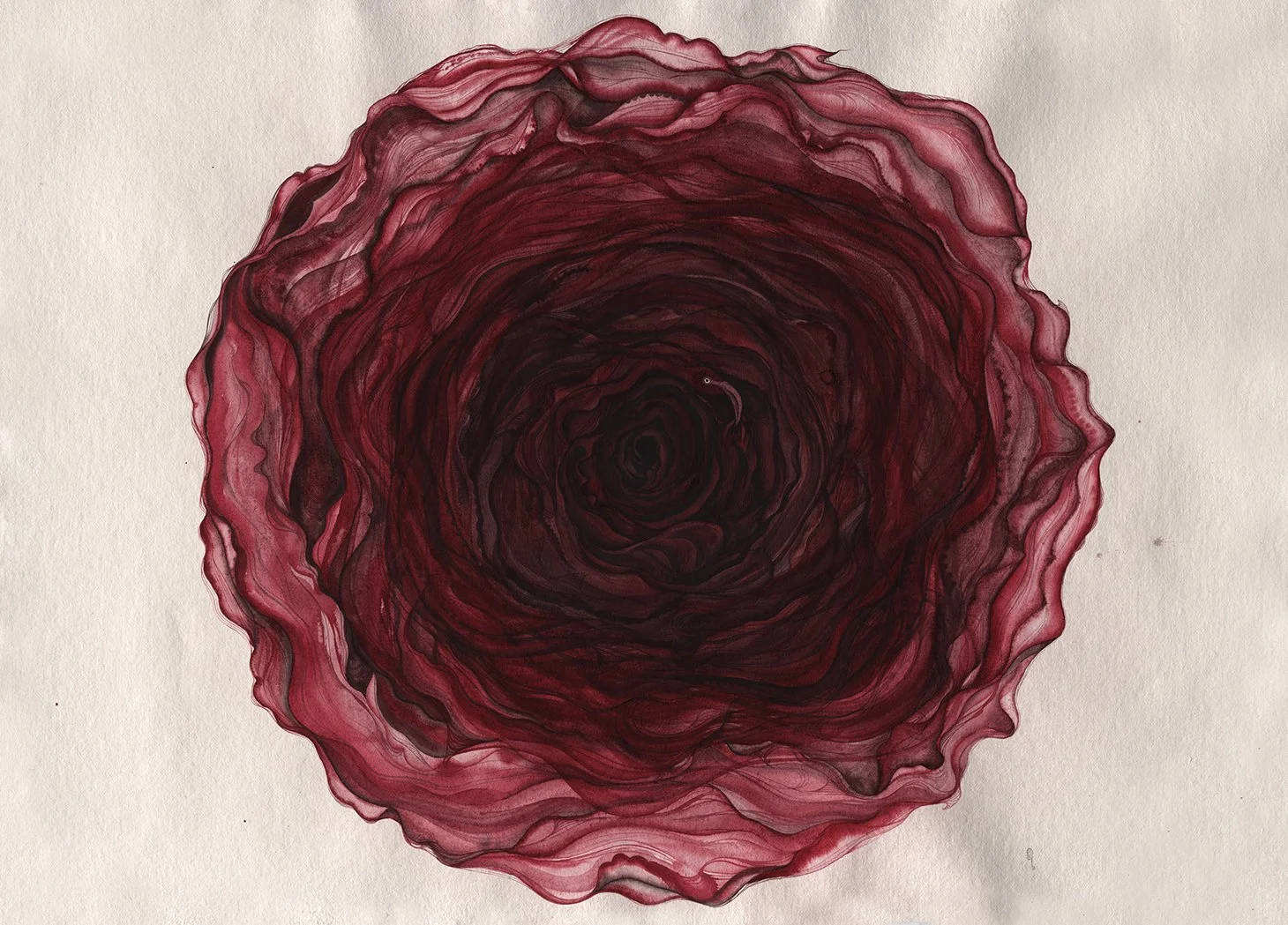
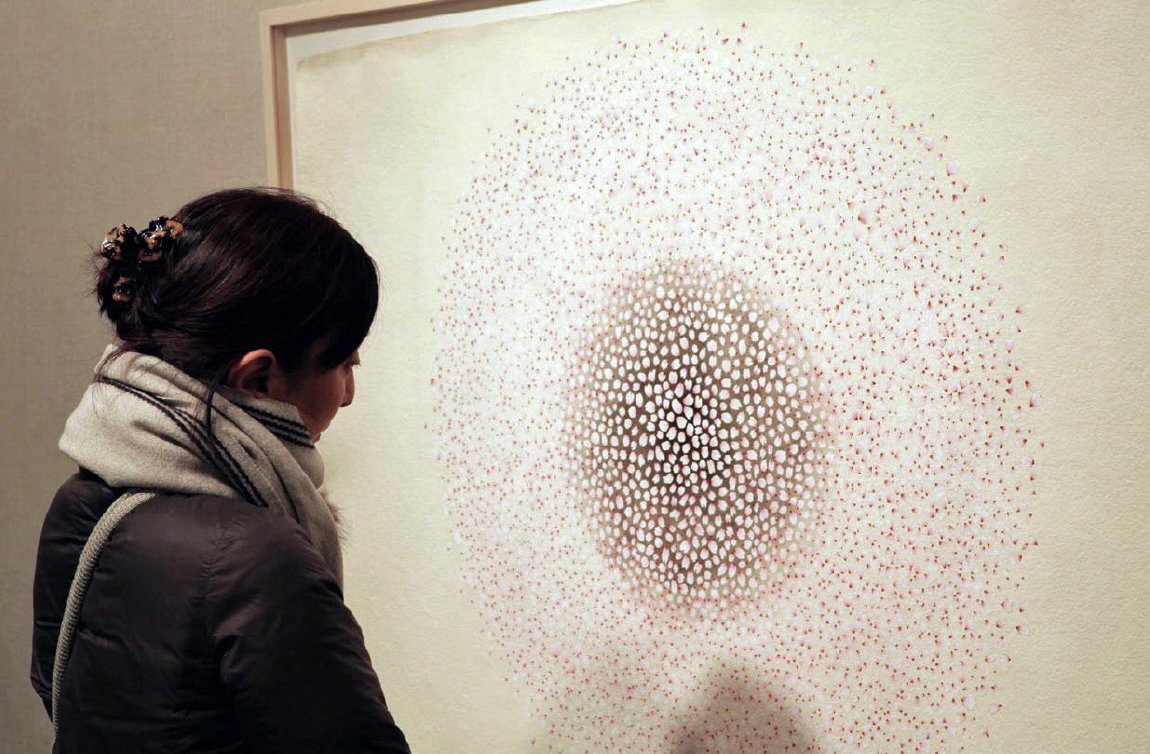
Not long after March 11, 2011, the day of the earthquake and tsunami, Shimojo was in New York City, far from her ancestral homeland. She heard reports on the news of Sakura (Japanese cherry trees) blossoming amid the debris in Tōhoku, the epicenter of the earthquake. The disaster caused the deaths of nearly 16,000 people, with thousands more injured and missing. Shimojo, who lost all her immediate family members before the age of 30, focuses on celebrating life’s precious, fleeting moments. Shimojo began painting Sakura petals to process her pain.
The Memento Mori paintings, having traveled the globe over the years, signify the artist’s own spiritual journey.
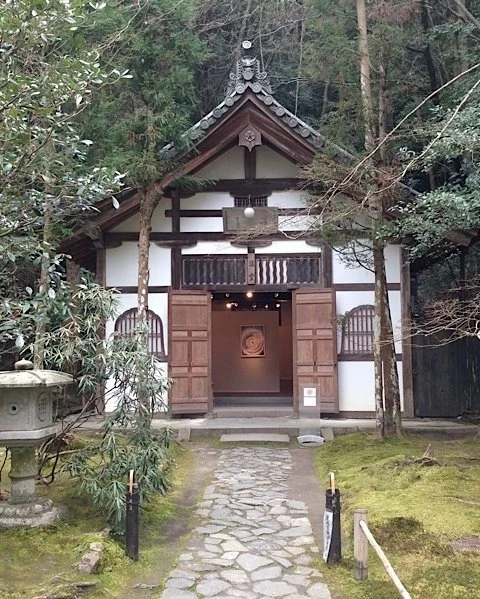
Honenin Temple, KYOTO 京都 法然院, 2013
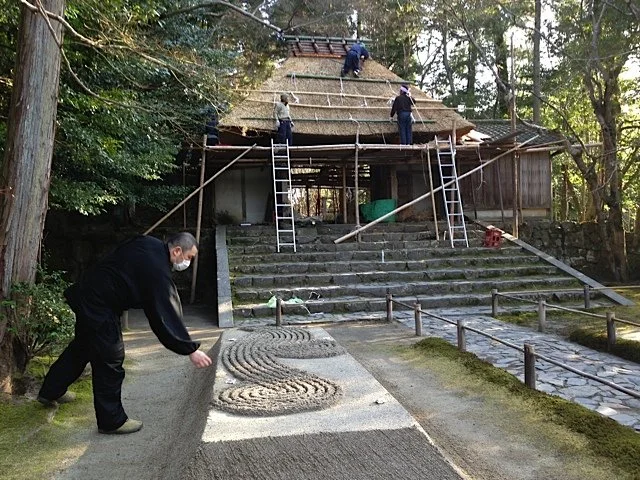
Honenin Temple, KYOTO 京都 法然院, 2013
Honenin Temple, KYOTO 京都 法然院, 2013
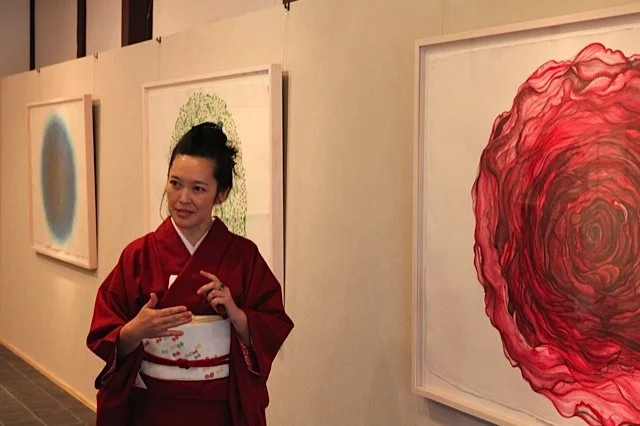
Honenin Temple, KYOTO 京都 法然院, 2013
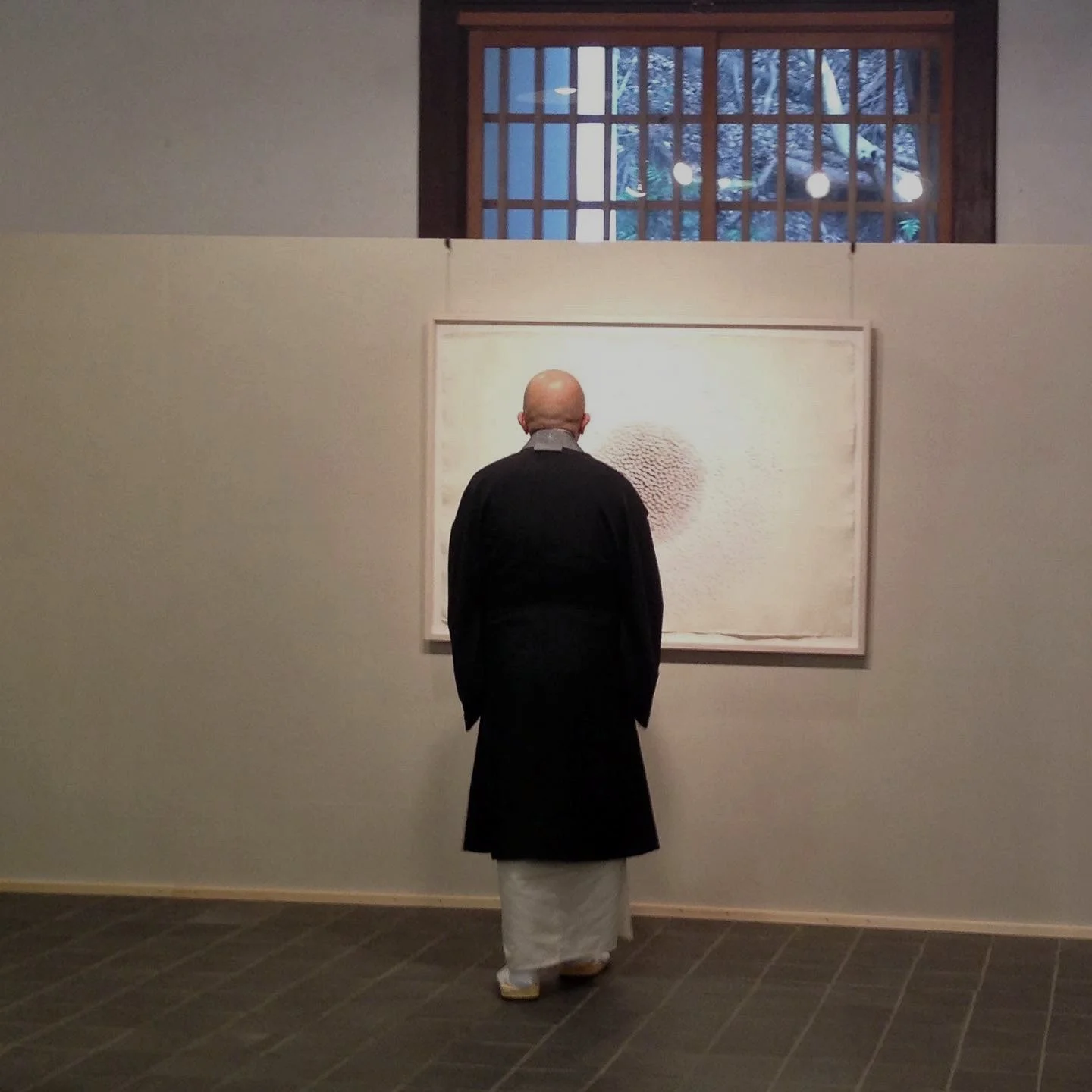
Honenin Temple, KYOTO 京都 法然院, 2013
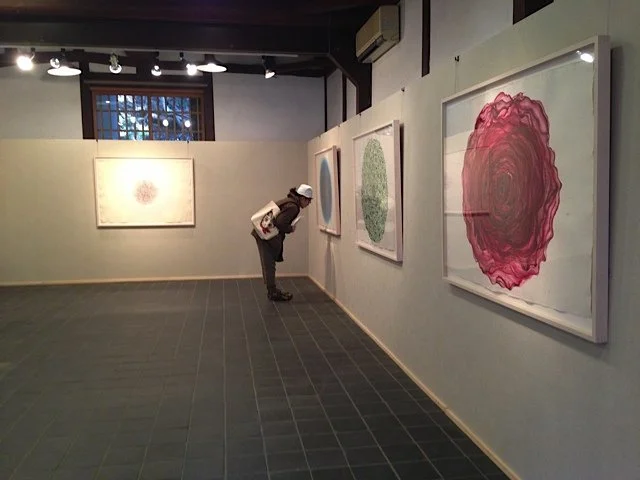
Honenin Temple, KYOTO 京都 法然院, 2013
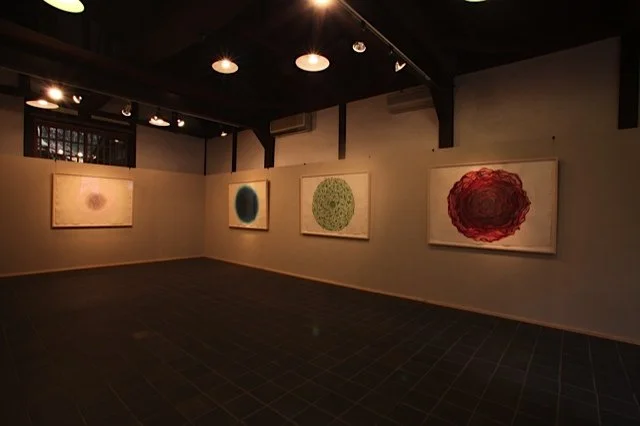
Honenin Temple, KYOTO 京都 法然院, 2013

Gallery éf TOKYO, 浅草ギャラリー éf , 2014
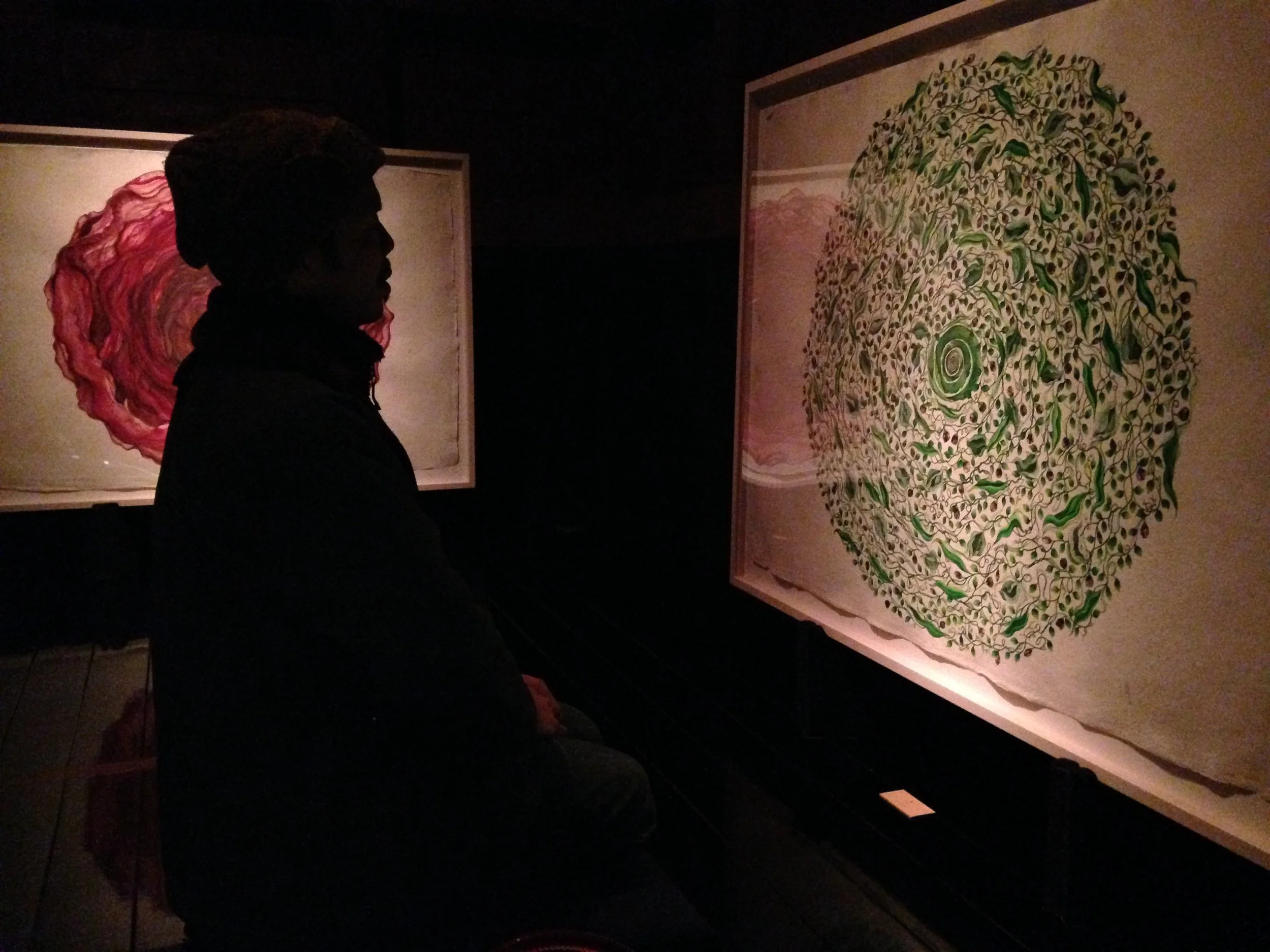
Gallery éf TOKYO, 浅草ギャラリー éf , 2014

Gallery éf TOKYO, 浅草ギャラリー éf , 2014
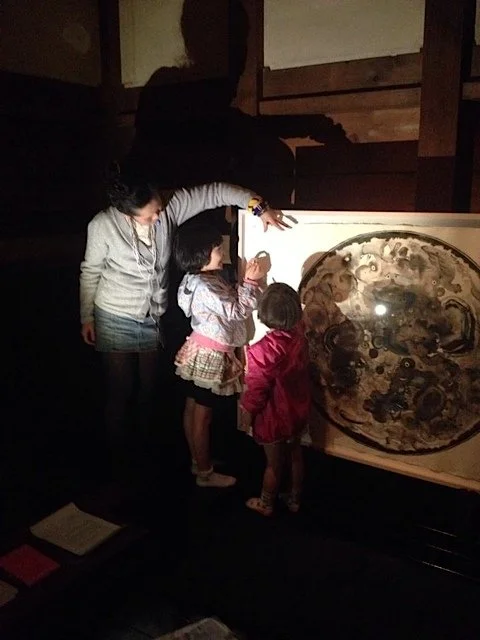
Gallery éf TOKYO, 浅草ギャラリー éf , 2014
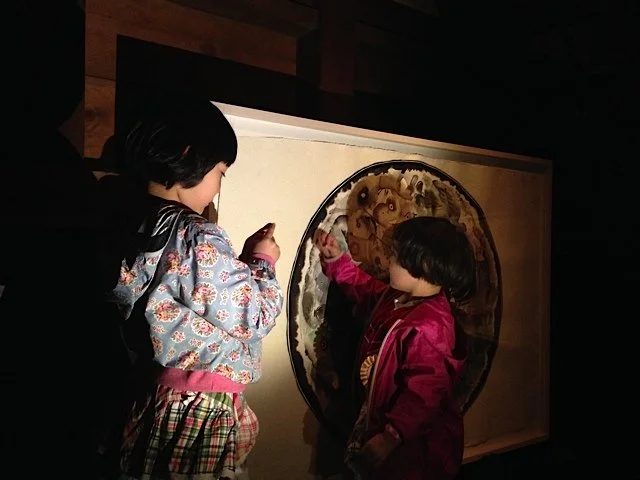
Gallery éf TOKYO, 浅草ギャラリー éf , 2014
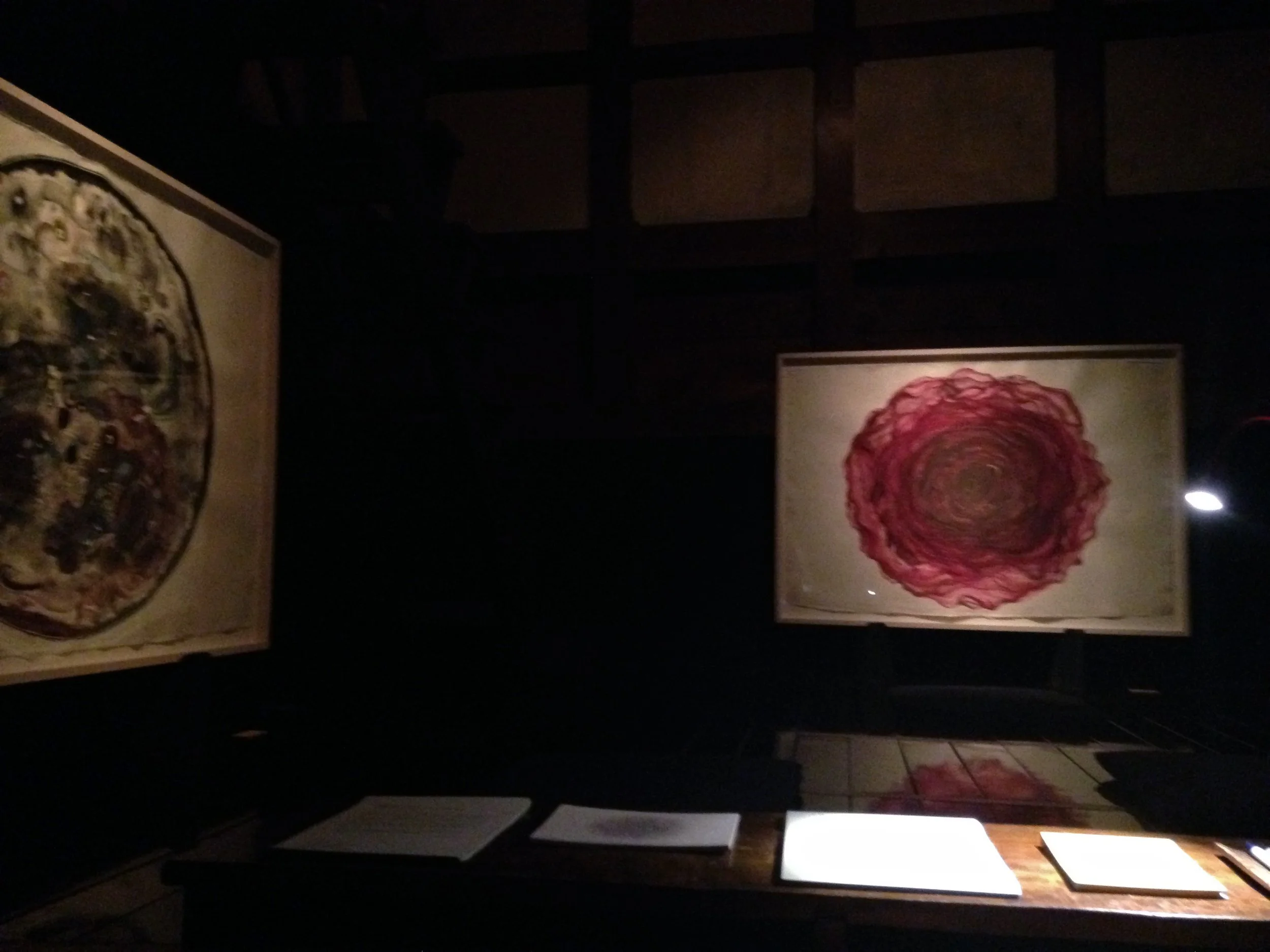
Gallery éf TOKYO, 浅草ギャラリー éf , 2014
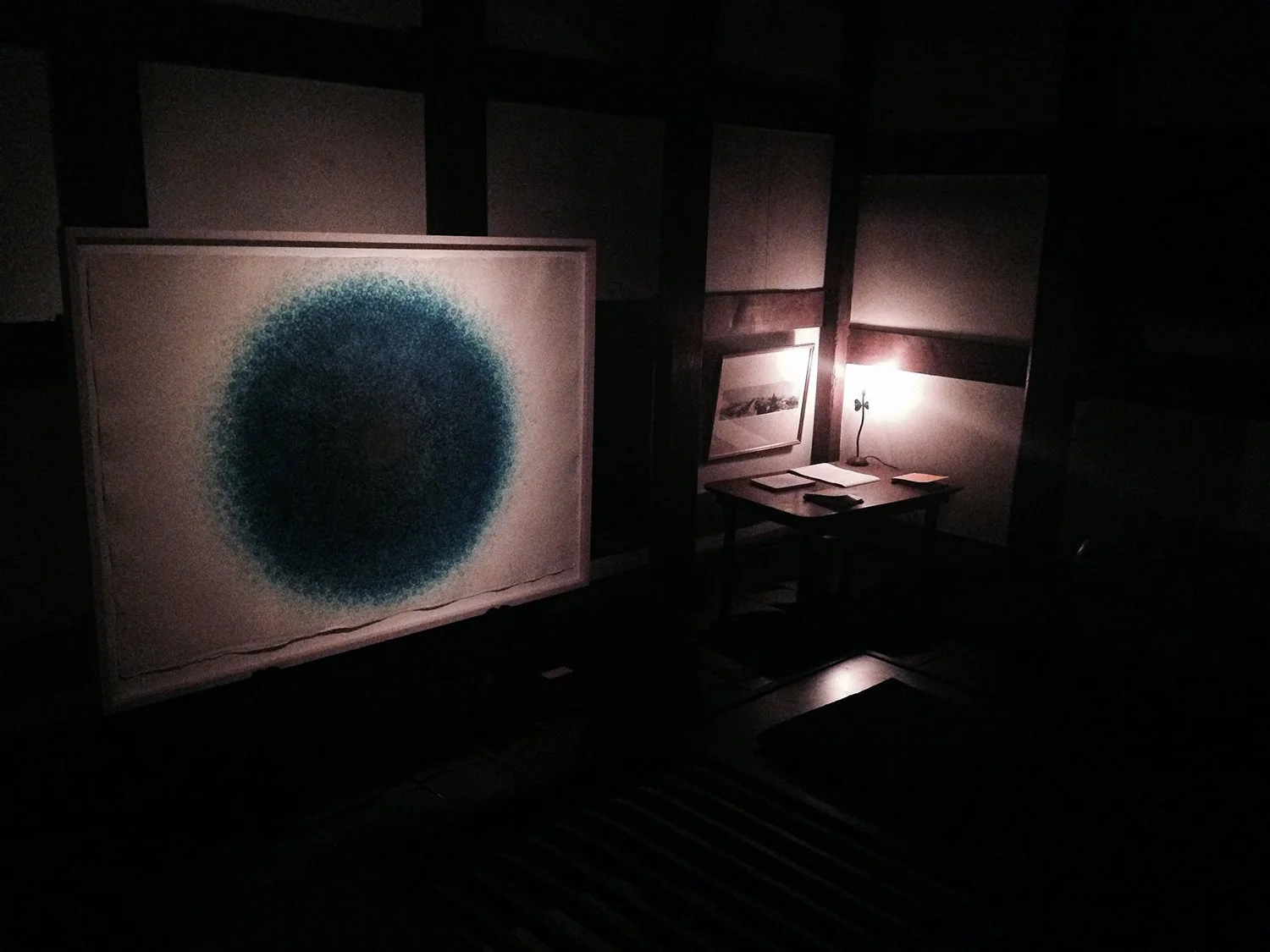
Gallery éf TOKYO, 浅草ギャラリー éf , 2014

Praise Shadows Art Gallery, Boston 2021
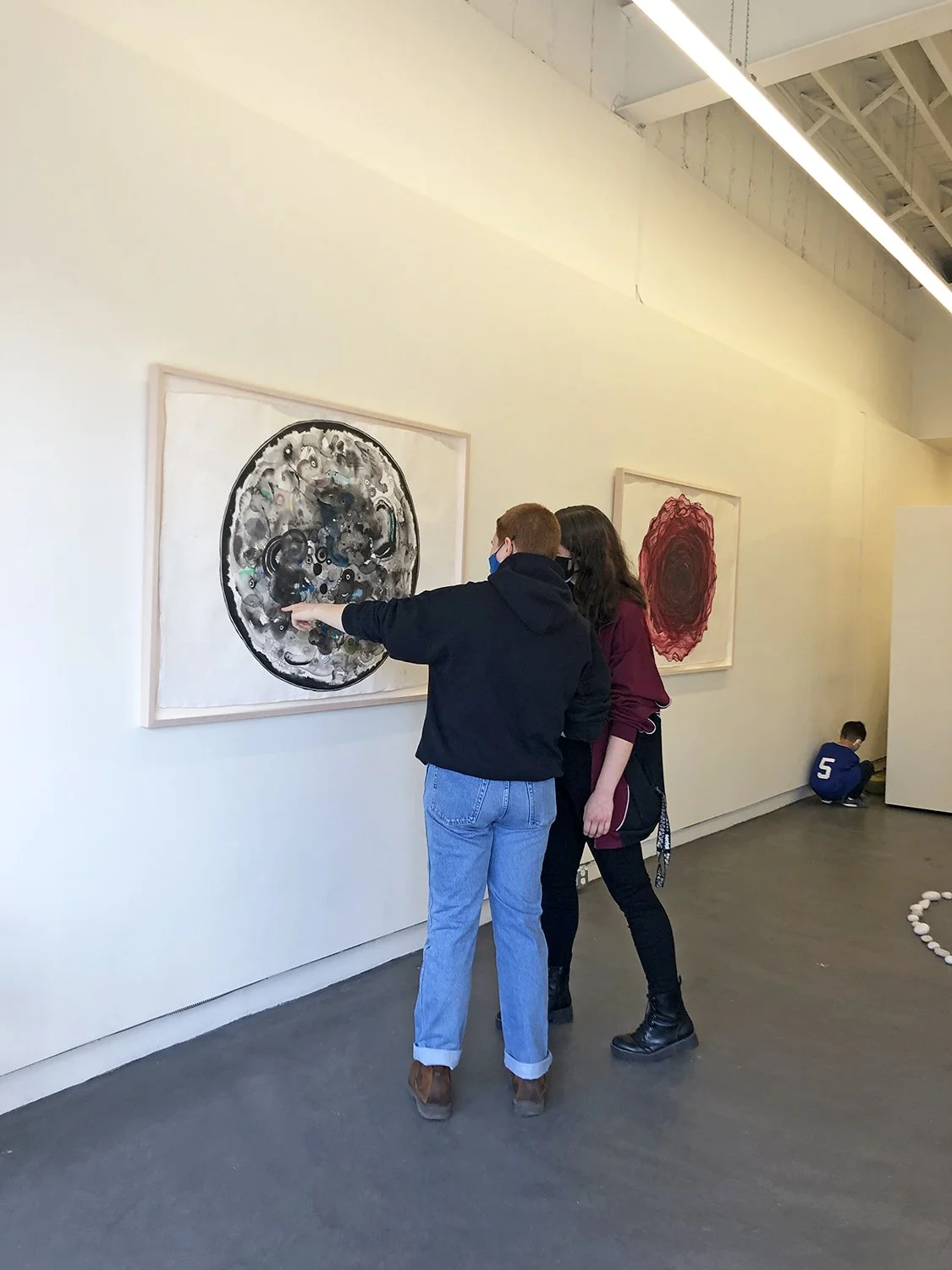
Praise Shadows Art Gallery, Boston 2021
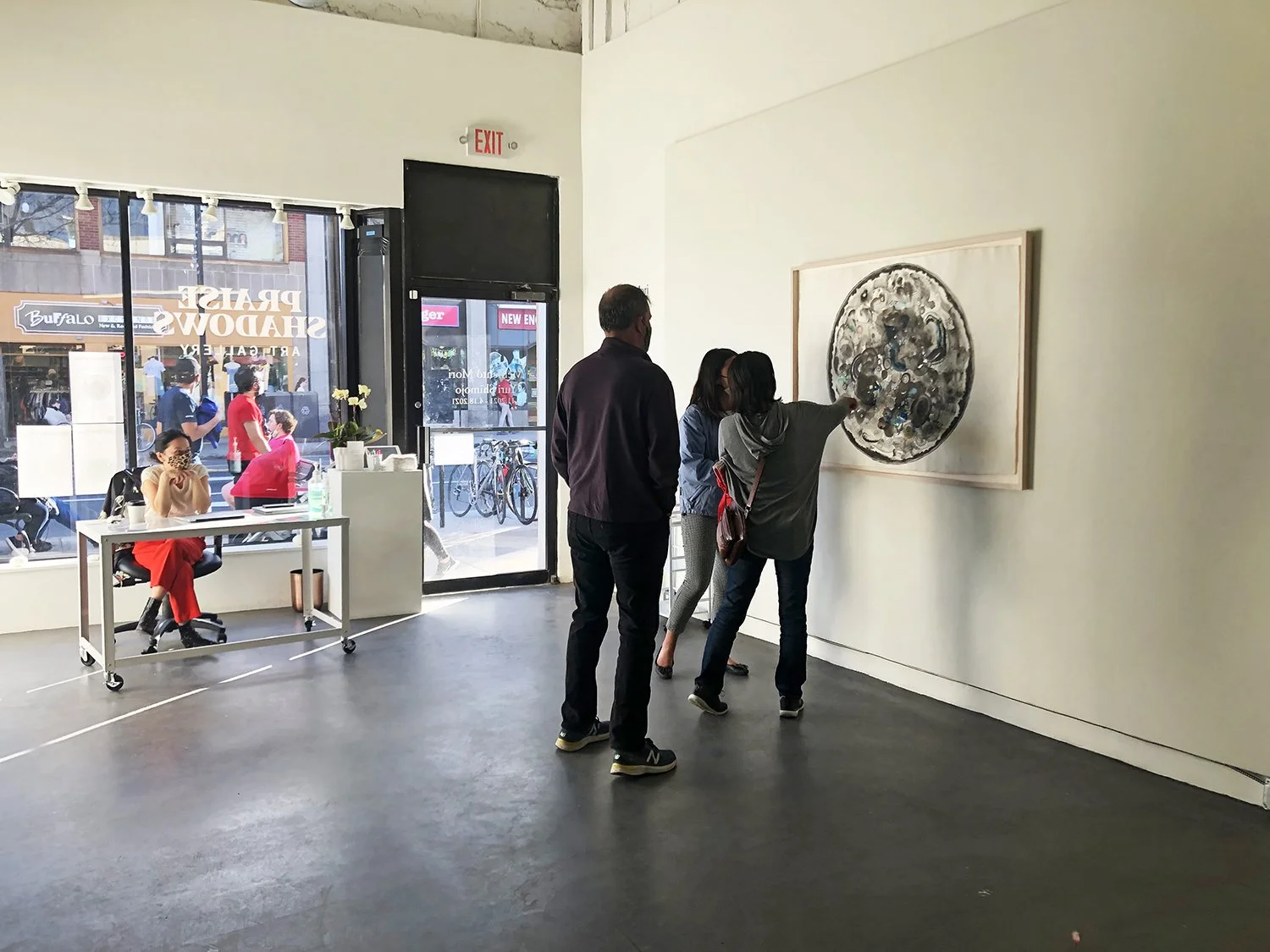
Praise Shadows Art Gallery, Boston 2021
Praise Shadows Art Gallery, Boston 2021
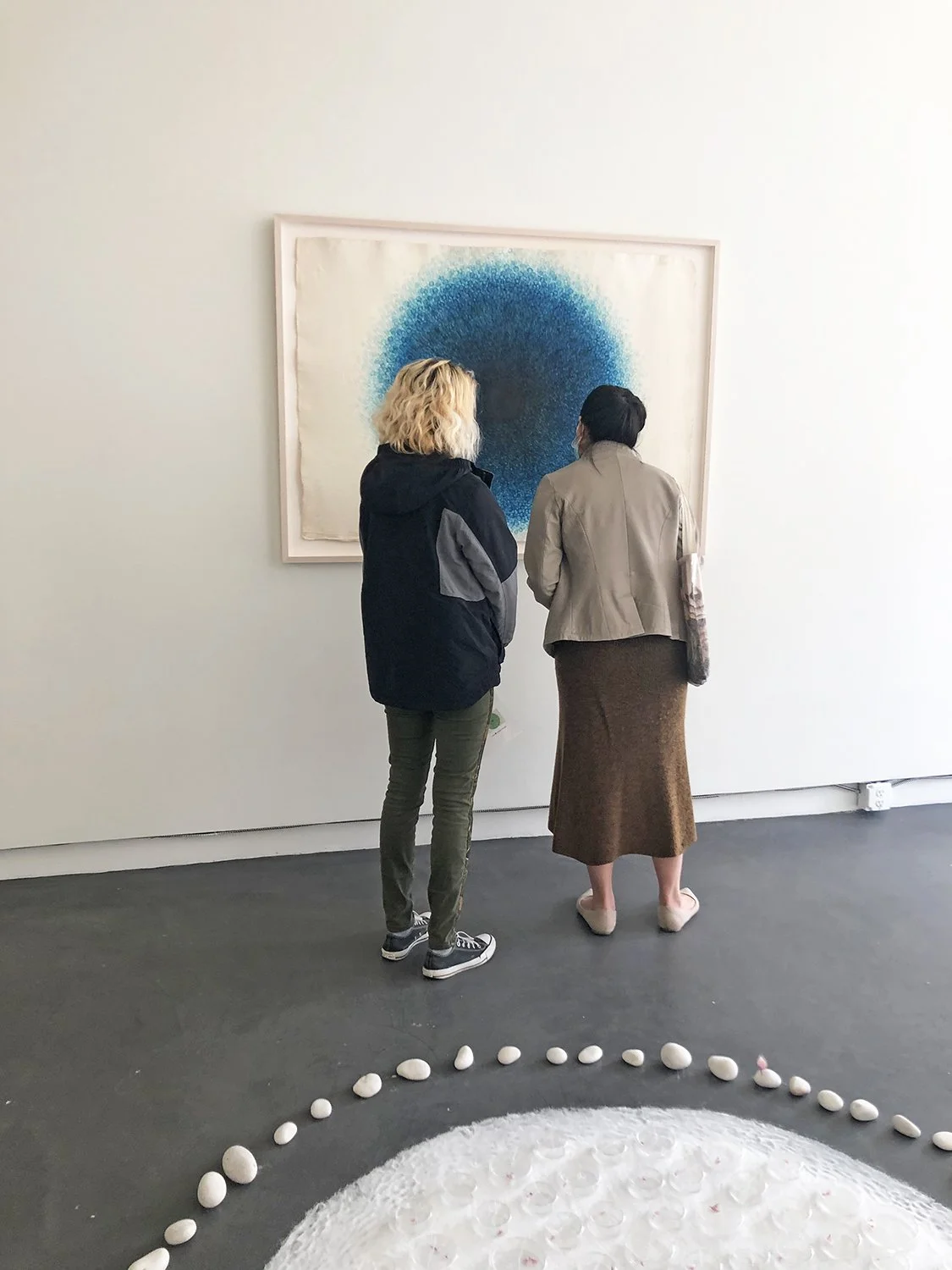
Praise Shadows Art Gallery, Boston 2021
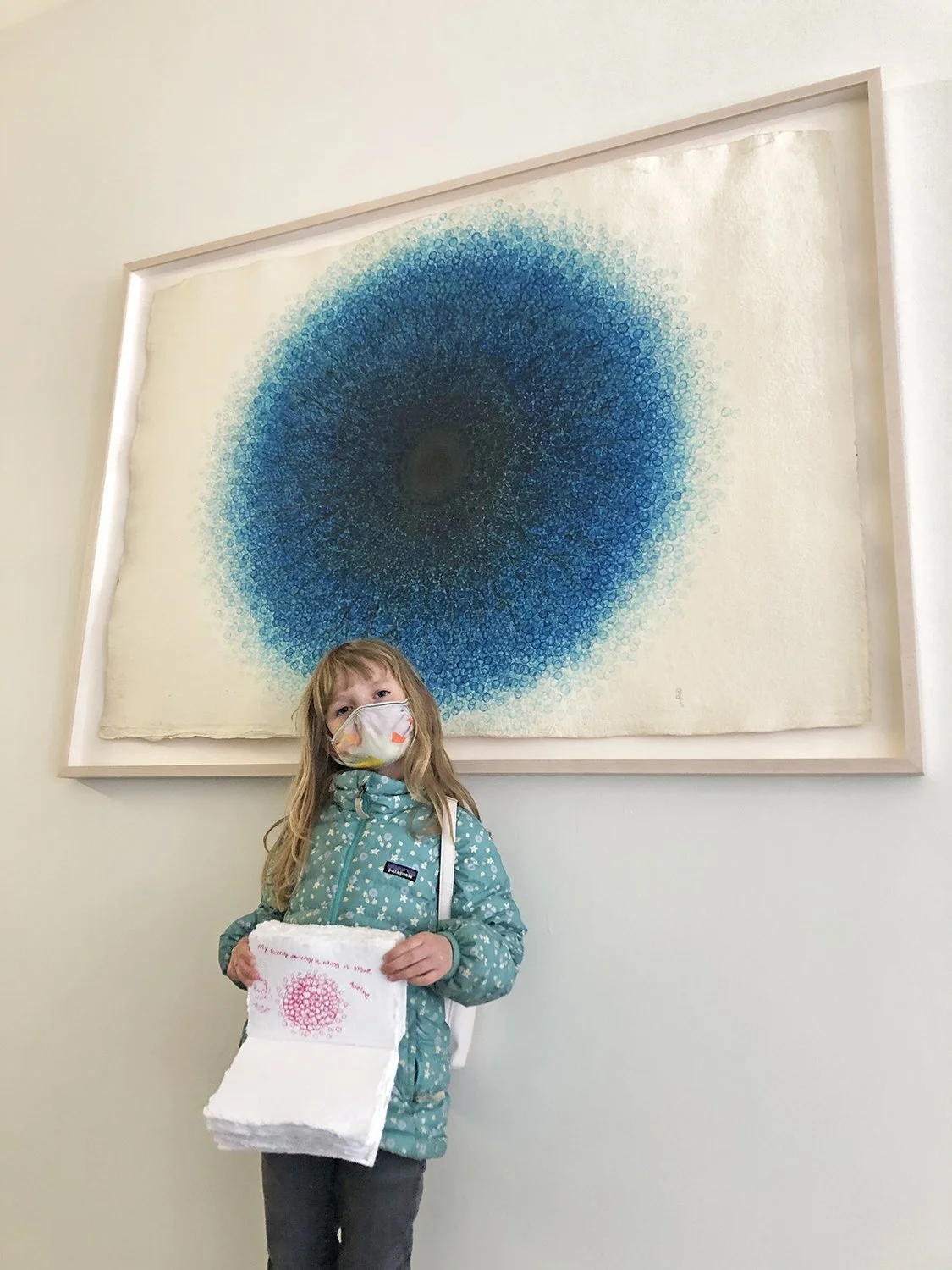
Praise Shadows Art Gallery, Boston 2021
Petal Mori
Memento Mori in 2011
represented the formidable power of nature,
reminding humans of our tiny presence in the universe.
But that power is also healing and resilient.
Memento Mori in 2011 to bring our individuality into focus during a year of unimaginable loss at the hands of the global pandemic.
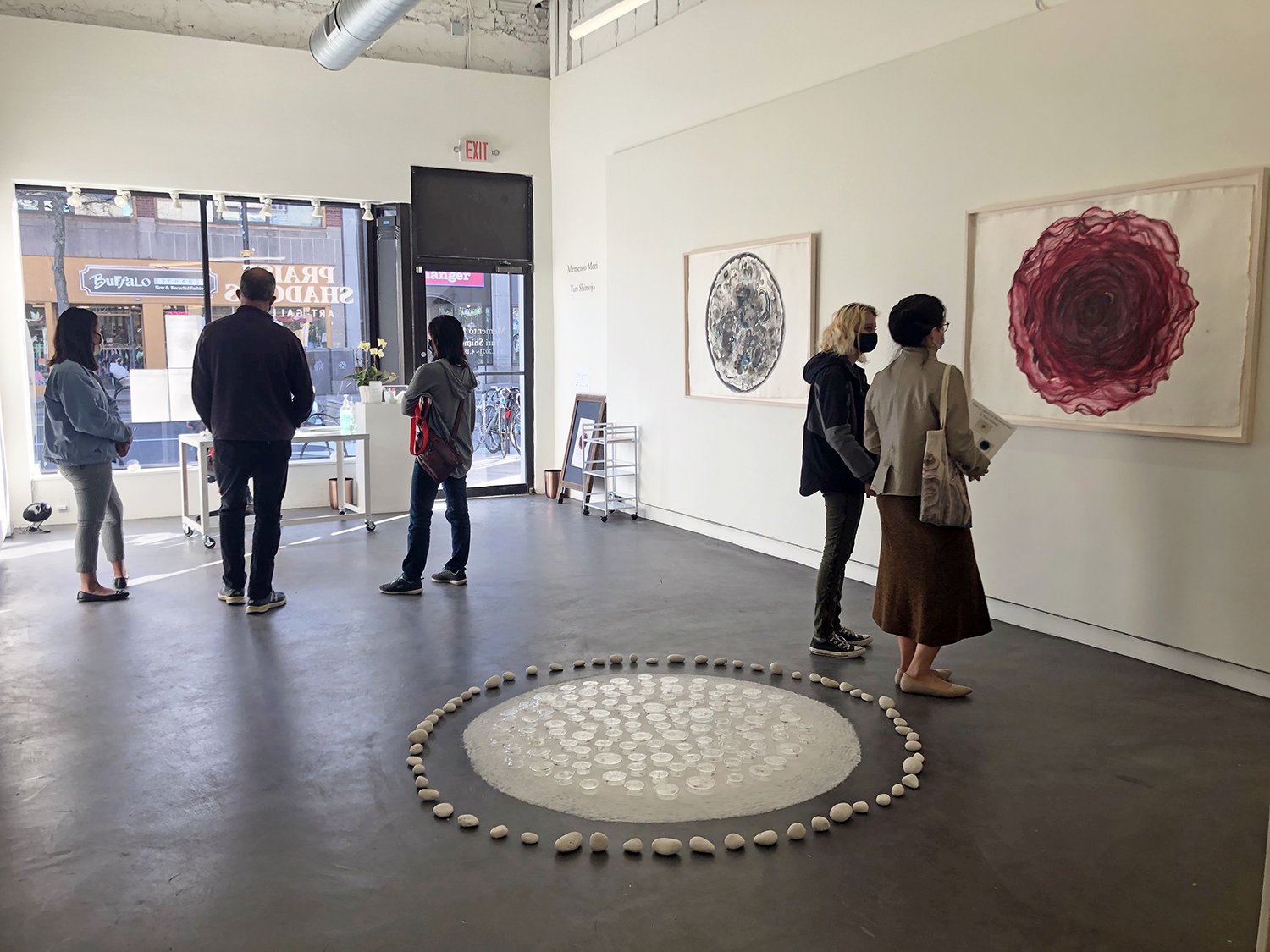
The site-specific mixed-media installation at Praise Shadows Art Gallery, Boston, 2021 Collaboration with MA: Maria Takeuchi (projection) and Alec Fellman (sound)On the floor in the center of the gallery will be a mound of white cleansing salt with 108 glass petri dishes set upon it. “108” is a sacred number in the Dharmic religions, including Hinduism, Buddhism, and Jainism; in Japan, at the end of each year, Buddhist temples chime their bells 108 times to close out the old year and welcome in the new one. Each petri dish encloses an individual Sakura petal made of torn washi paper, then tied closed, as if in tribute, with fine silk thread. Another Sakura petal, suspended from the ceiling by a single, white silk thread, hovers just above the salt mound, all graced in luminous projection. The accompanying sound, Petal Mori, a 108-minute looping soundscape, contains a bell ringing once per minute, simultaneously illuminating one of the 108 petri-dishes.